
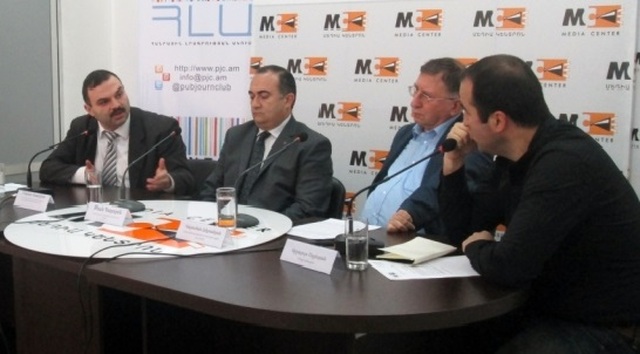
Discussion on the establishment of a new Anticorruption Council
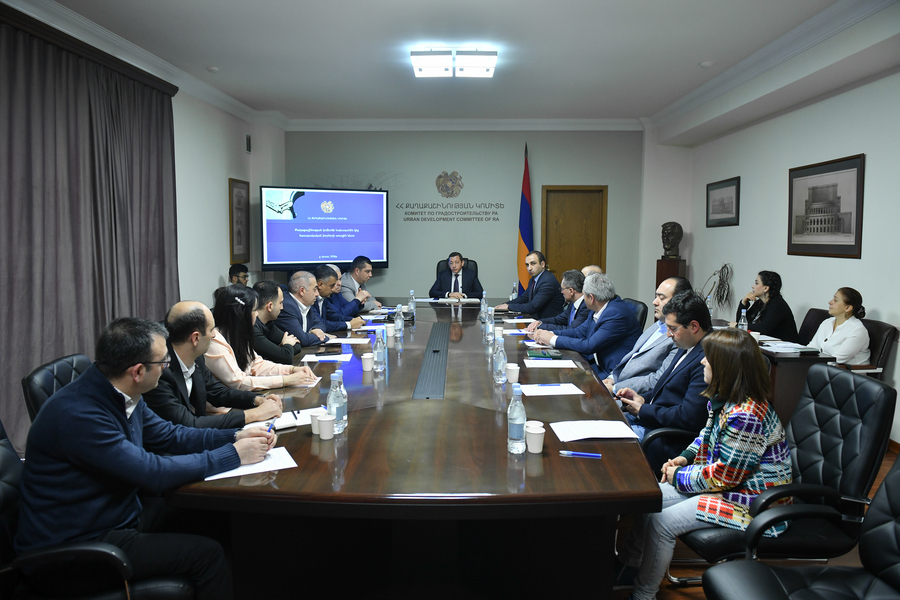
On March 3, 2015 Varuzhan Hoktanyan, Executive Director of Transparency International Anticorruption Center (TIAC) was a panelist during a discussion organized by Media Center on the establishment of a new anticorruption council. During the discussion he addressed anticorruption policy, effectiveness of the implementation of the previous two – 2003-2007 and 2009-2012 national anticorruption strategies, the anticorruption bodies set up by the government decree, their difference compared with the previous ones, available means to fight corruption. Other panelists at the discussion were Tevan Poghosyan, MP, Heritage Faction; and Marat Atovmyan, Head of Yerevan Anticorruption Center, Board member of Young Lawyers’ Association.
In the opinion of Varuzhan Hoktanyan corruption is of systemic nature in Armenia. It implies that the system cannot work without corruption. The institutes are not sufficiently developed and the relationship among them are of the kind that they won’t be able to exist without corruption. Corruption may be seriously reduced only through dismantling the system. This oligarchic monopoly model fails to work anymore. "The anticorruption campaigns in Singapore, South Korea, Hong Kong, etc. were not an end in itself. Those countries combated corruption as an obstacle to their economic growth and, thus, succeeded,” Hoktanyan said. It is useless to speak about the efficiency of the combat unless Armenia has a well-developed anticorruption vision.
According to Hoktanyan corruption situation in Armenia faces stagnation based on quantitative and qualitative indices, and no progress was made since 2003 based on the studies of international organizations. As for the structures, the Anticorruption Council created in 2004, involved only representatives of the government bodies. Anticorruption Council of 2015 should remain as an advisory and not an independent body as it previously was. Only its staff should enlarge by including representatives of opposition factions from the National Assembly, civil society, Public Council, Union of Communities of Armenia. The council should have more institutional, strong foundation, full-time working bodies – Expert Commission and Monitoring Department. Formerly there was Anticorruption Strategy Implementation Monitoring Commission, which worked without remuneration.
In the opinion of Varuzhan Hoktanyan against the backdrop of the Armenian reality, even if the Council were an independent body it might fail should there be no serious discussions.
Only two representatives from civil society would be included in the Council. There should be strong discussion in the advisory body among governmental and non-governmental organizations, and decisions should be made for the government to realize. If there was no discussion, the Council might hardly work, and it might lead to the same situation as once there was. TIAC will abstain to see the ongoing process based on past experience.
The speakers agreed that the systematic approach to the problem and political will may lead to a considerable shift in combating corruption.
For details see the web page of Media Center.