
There should have been representatives exclusively in all electoral precincts
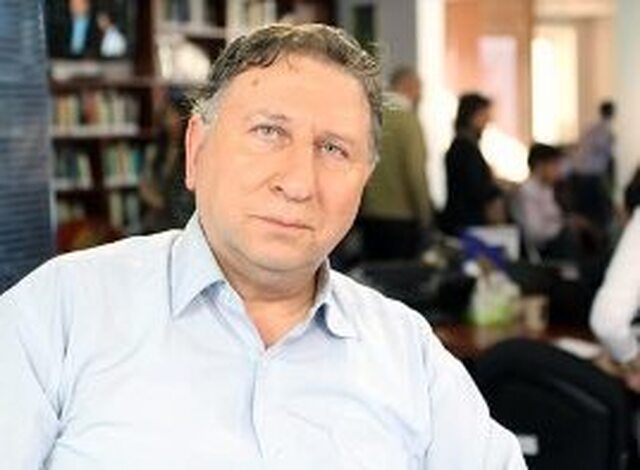
Varuzhan Hoktanyan, Executive Director of Transparency International Anti-corruption Center gave an interview to "Civilnet." During the interview he addressed the quality and main issues of 2013 presidential elections in Armenia - the necessity to observe elections; exposed election fraud, including inflated voter lists, giving possible grounds for multiple voting; ballot stuffing recorded during observation of elections; "carousel" voting. Varuzhan Hoktanyan also made recommendations with possible solutions to avoid those violations, including full-scale observation of the elections, as well as amendments to the Electoral Code.
Comprehensive domestic observation should be carried out, covering all precincts in order to get complete picture of 2013 elections and to have entire factual material. Nevertheless, it is well-known that the voter lists contain names of great number of out-of country citizens. The number of voters may exceed permanent population in a number of communities by comparing current population according to National Statistical Service of the Republic of Armenia against the voter lists. Out-of-country residents from those communities continue to be on the lists, which may serve a base for multiple voting.
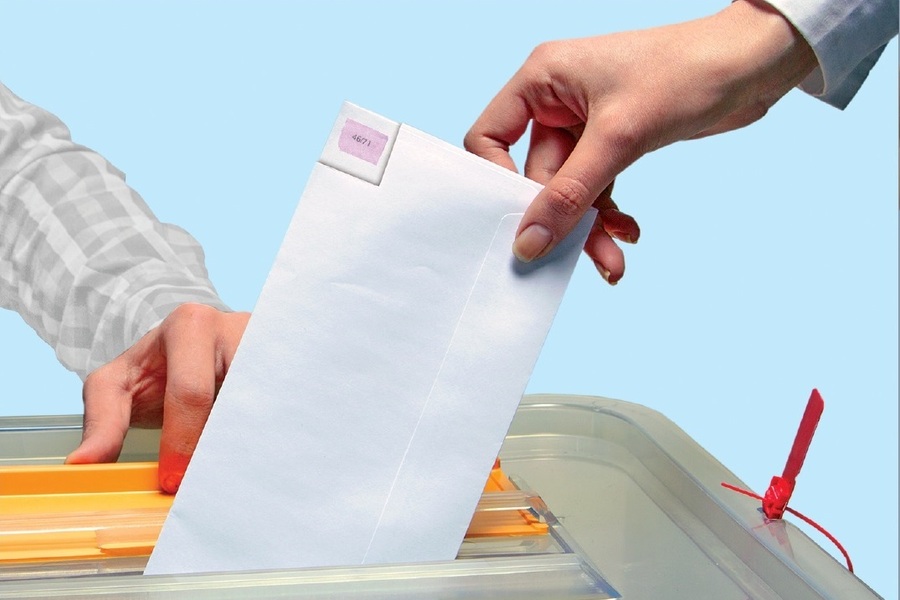
Numerous instances of ballot staffing were recorded in the polling stations where there were observers. It is truism that it is impossible to vote in less than 50-60 seconds in view of the actions set forth in the Electoral Code: finding voters name in two voter registers if the number of voters exceed 1000 and in one if the number of voters is less than 1000; entering he voting booth and voting. Whereas there are precincts where the voting was held in less than 40 seconds. Adding the argument to the observers monitoring results it can serve as a substantial material in appealing the elections.
There is a close correlation between the voter turnout and the number of ballots cast, related with ballot stuffing and multiple voting. In case of normal elections, the increase in voter turnout should not affect the percentage of votes of the main contenders. For instance if the incumbent received 58 per cent and Raffi Hovannisian 37 per cent of votes notwithstanding the voter turnout is less than 50 per cent, 50-60 per cent and higher than 70 per cent, the number should be the same. Nevertheless, Raffi Hovannisian won in the first round only in those precincts where the voter turnout was less than 50 per cent, 51 per cent. While if voter turnout was 50-70 per cent, assuming that there was multiple voting, the question of second round rose. In those precincts where the turnout was higher than 72 per cent, Serzh Sargsyan won in the first round.
In case of correlation when direct proportion is observed between voter turnout and the number of votes raises concerns regarding the confidence over the integrity of the electoral process.They may point not only to possible ballot stuffing but to "carousel" voting and other types of violations.
If the number of ballots is more than the number of signatures it is assumed that there was ballot stuffing and the number was mentioned in the Electoral Code.
In its analysis published in autumn TIAC addressed a gap in the Electoral Code. If the number of signatures is more than the number of ballots, it is assumed that "carousel" voting took place. According to the Electoral Code such inaccuracy is nullified. In 2012 May TIAC revealed 13 thousand such cases throughout Armenia. This sort of inaccuracy should not be nullified.
If the authorities have no political will, one should have hope that by presenting these numbers to the public, international organizations TIAC will achieve its goal.