
"Ditaketum": political will as a precondition to reduce corruption
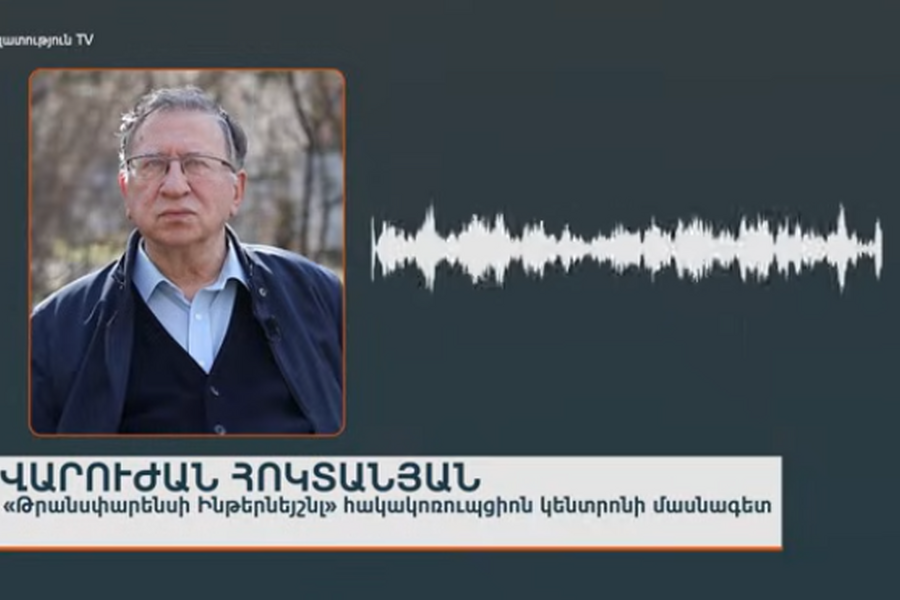
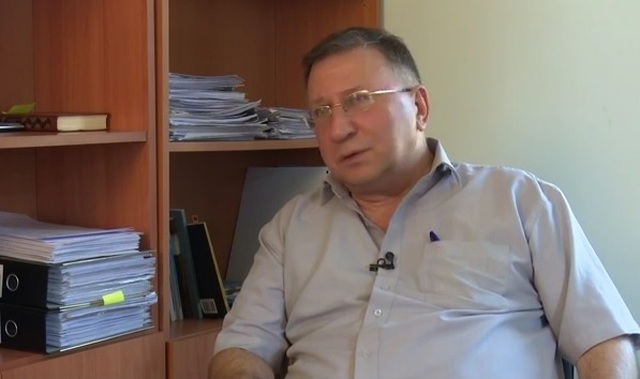
"Yerkir Media" television’s “Ditaketum” (in the angle) show addressed corruption. During the latest 15 years the Armenian government declared fighting corruption as a main area of its activity. However, the Armenian president’s assignment to catch the most corrupt officials, which he gave in 2012 was not carried out. Varuzhan Hoktanyan, Executive Director of Transparency International Anticorruption Center (TIAC) thinks that fighting corruption should not be limited only by catching officials. Otherwise it may turn to exerting political retribution or score-settling. The whole system should be changed. According to Hoktanyan the state of corruption is unchanged in Armenia remaining on low level and there is a situation of stagnation since 2013.
The former two 2003-2007 and 2008-2012 comprehensive anticorruption strategies were not effective. Since 2014 it was decided to give a new meaning to fighting corruption and the new, 2015-18 strategy aimed to establish a class of honest public servants, and effective, participatory and transparent government system by choosing 4 primary areas of fighting corruption – education, public health, state revenue collection and police, connected with their work with citizens, since the citizens they deal with representatives of those areas more frequently.
Transparency International's European Neighborhood National Integrity System regional report entitled “The State of Corruption: Armenia, Azerbaijan, Georgia, Moldova and Ukraine” assessed corruption in five Eastern European countries, including Armenia. The report on Armenia chiefly says: “A particular feature of corruption in Armenia is the presence of so-called “oligarchs” who enjoy the fruits of a shadow economy estimated to account for around 35 per cent of Armenia’s GDP. 82 per cent of people in Armenia believe that corruption in the public sector is a problem or a serious problem.”
The show also addressed statistics on the website of RA prosecutor general’s office. It was provided that the competence of the Commission on Ethics of High-Ranking Officials of Armenia was to be extended by the new anticorruption strategy.
Will the reforms bring real changes in the life of citizens? Against the backdrop of poverty and mass exodus unless there is no real political will there cannot be real fight against corruption.